
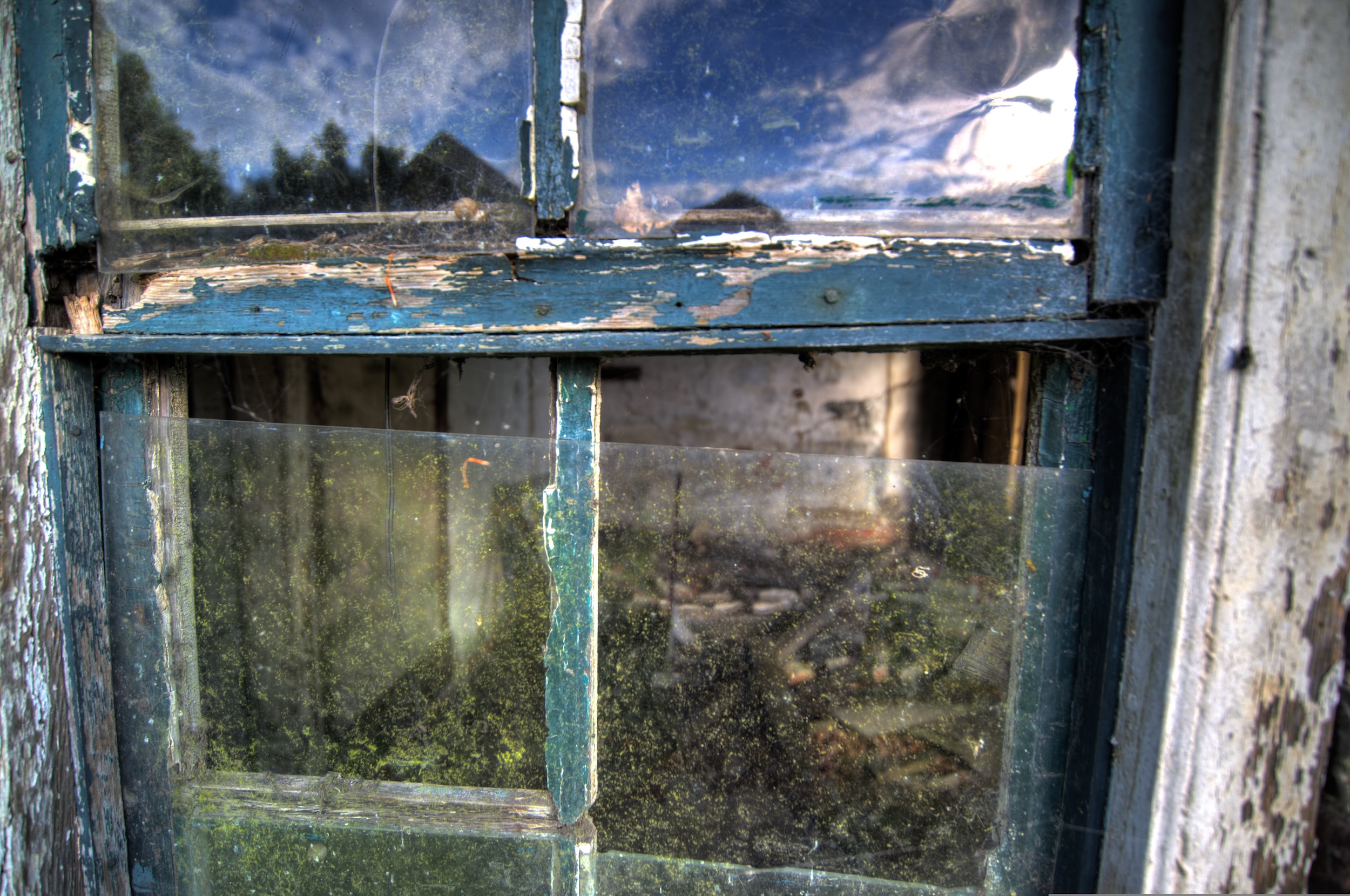
Every rot job I’ve cut out started as something small and boring. A blocked downpipe. A cracked bead of sealant above a window. A deck fixing that went rusty and let water track into the end grain.
Nobody calls a builder about those. They call me two years later when the lining is soft and the fix costs twenty grand instead of two hundred bucks.
If you own a house between Langs Beach and Ruakaka, you’re in one of the harder environments in the country to keep a building intact. Here’s what actually wears a house out here, and the list I’d work through if it were my place.
The number most homeowners haven’t seen
BRANZ and CRESA put a figure on undone maintenance across New Zealand housing. It’s worth reading twice.
93% of New Zealand dwellings need at least some exterior maintenance. On roof, wall cladding and windows alone, the average bill sits around $9,600 per house. Add the interior and it’s about $12,600 per dwelling, or $13,500 for owner-occupied homes.
A quarter of houses (26%) need more than $15,000 spent on them. About one in ten need more than $21,000.
The national underspend, adjusted to 2023 dollars, comes to roughly $27.5 billion. For comparison, the country’s annual house insurance claims total around $5.4 billion. So we’re under-maintaining our homes at about four and a half times the rate we’re claiming for damage to them.
The trend is going the wrong way too. The share of households reporting any maintenance spending fell from 45-50% around 2012/13 down to about 35% by 2018/19.
BRANZ recommends spending 0.5% to 2% of your property’s value on maintenance each year. On a $900,000 place in Waipu, that’s $4,500 to $18,000 annually. Most people I meet spend closer to nothing until something breaks.
Why Bream Bay is harder on a house than most of the country
Three things stack up here.
Salt. NZS 3604:2011 splits the country into corrosion exposure zones. Coastal Northland frontage sits in Zone D, the sea spray zone, which requires all structural fixings to be 304 stainless steel. E2/AS1, the acceptable solution for external moisture, goes further and adds Zone E for coastal areas facing rough seas and breaking surf. Langs Beach, Waipu Cove and Ruakaka Beach frontage are the sharp end of that.
Water. Whangarei averages around 1,500mm of rain a year. Bream Bay typically runs 1,500mm to 2,000mm. That’s a lot of water moving across, into and off a building.
Humidity. Relative humidity in Whangarei peaks around 82% in June and doesn’t drop below about 75% even in January. Corrosion needs moisture to work. Around here it’s got moisture all year.
Put those together and a fixing that would last thirty years in Hamilton can be weeping rust stains down your weatherboards in five.
The wash-down almost nobody does
This is the highest-value ten minutes on the list, and I’d bet most readers have never done it.
The NZ Metal Roof and Wall Cladding Code of Practice draws a line between washed and unwashed areas. Anything rain hits regularly gets rinsed for free. Anything that doesn’t (under eaves, sheltered wall cladding, the underside of spouting, behind downpipes, garage door tracks, joinery reveals) accumulates salt. Salt sitting on a coated surface keeps working long after the wind that carried it has gone.
Most roofing and cladding warranties in severe marine environments are conditional on a manual wash every three to six months. If you’ve never washed yours and you make a claim in year twelve, that’s the first question you’ll be asked.
You don’t need anything fancy. Fresh water, a soft bristle brush, or a 10% household detergent solution followed by a proper rinse with clean water. Start at the top, work down, and pay particular attention to the sheltered spots that rain never touches.
Two or three washes a year in coastal Waipu is realistic. Do one in early spring after winter’s southerlies and one in autumn.
Gutters, downpipes and the third of houses that fail here
The 2015/16 BRANZ House Condition Survey found a third of New Zealand dwellings needed maintenance or repair to guttering or downpipes. One in ten roofs were rated poor or in serious condition. Overall, 39% of homes had at least one component in poor condition and 7% had something in serious condition.
Gutters are the cheapest failure to prevent and one of the most expensive to ignore.
Clear them twice a year minimum. If you’ve got pohutukawa, pines or a big puriri near the house, make it four times. Check the falls while you’re up there. A gutter that ponds water is holding salt and organic acid against the coating twenty-four hours a day.
Then check where the downpipes discharge. A downpipe that dumps against a wall or a foundation is a slow-motion rot job.
Paint and coatings
The Building Code sets minimum durability periods, and they’re a useful frame for planning.
Easy-access, easy-replace elements like paint coatings have to last a minimum of five years. Moderately difficult elements like wall cladding and windows have to last fifteen.
Treat that five-year figure as the floor rather than the target. In practice, a good exterior system on a sheltered Northland wall might run ten to twelve years. On a west or south-facing coastal elevation at Waipu Cove, you could be looking at six or seven before the coating starts chalking and losing film thickness.
Don’t wait for peel. Once the coating fails and water gets behind it, you’re paying for repairs before you pay for paint. Wash the walls, check the north and seaward elevations annually, and recoat while the substrate is still sound.
Fixings, flashings and metals that don’t get on
Two things I find constantly on older Northland homes.
First, the wrong fixings. Galvanised nails and screws in a sea spray zone will fail. If your deck, pergola, fascia or cladding was fixed with anything other than 304 stainless in Zone D, it’s on borrowed time. You’ll see it as rust bleed first, then loose fixings, then movement.
Second, metals that shouldn’t be touching. E2 Table 21 covers compatibility, and it specifically says to avoid stainless steel in contact with aluminium in the sea spray zone or Zone D. Galvanic corrosion needs an electrolyte to run, and salt-laden moisture is an excellent one. I’ve pulled apart plenty of joinery details where somebody used a convenient fastener and created a battery in the wall.
Check head flashings above windows and doors while you’re at it. Sealant has a life, and once it’s gone brittle and cracked, water goes where it likes.
Decks, subfloors and the parts you can’t see
Decks take the worst of everything here: full sun, driving rain, salt, and constant wetting and drying.
Check the joist-to-bearer fixings and the joist tops where the boards sit. That’s where water sits and rot starts. Poke a screwdriver into anything that looks dark. If it goes in easily, you’ve found your problem.
Underneath the house, look for ground vapour. Northland’s humidity plus a damp, poorly ventilated subfloor equals borer, mould and soft flooring. Clear vents that have been blocked by garden beds or decking, and if the ground under there is permanently damp, a polythene ground vapour barrier is one of the cheapest fixes available.
What needs a consent and what doesn’t
Good news for most of this list.
Schedule 1 of the Building Act 2004 exempts general repair, maintenance and replacement of a building product or assembly, provided a comparable product is used. Repainting, replacing a few weatherboards, swapping like-for-like spouting, refixing a deck board: all exempt.
The catch is worth knowing. The exemption doesn’t cover repair or replacement of an element that has failed its Building Code durability requirement. If your fifteen-year cladding has failed at year eight, that’s a different conversation, and it’s one worth having with Whangarei District Council or Kaipara District Council before you start.
If you’re not sure which side of the line your job sits on, ask. It’s a free phone call.
A simple rhythm that works
Spring (September, right now): wash roof and cladding, clear gutters, check flashings and sealant, inspect the deck, check subfloor vents.
Autumn (March or April): wash again, clear gutters again, check the paint on seaward elevations, tighten anything that’s moved over summer.
Every five years: proper walk-around with a builder. Half an hour with someone who knows what to look for will find things you won’t.
That’s it. Two afternoons a year and a bit of attention will keep most Northland homes well ahead of the 93% who are already behind.
If you’d rather someone else did it
I’m a Licensed Building Practitioner and NZ Certified Builders member based in Waipu, and I do maintenance and repair work across Bream Bay, Mangawhai, Ruakaka, One Tree Point, Langs Beach and Whangarei.
If you want an honest assessment of where your place stands, I’ll come and walk it with you and tell you what needs doing now, what can wait, and what doesn’t need doing at all. No obligation.
Found something on the list that needs sorting? We do repairs and renovations across Northland. Just get in touch and we’ll come and have a look.
